Coding a New Culture
Code Social’s Community-First Model
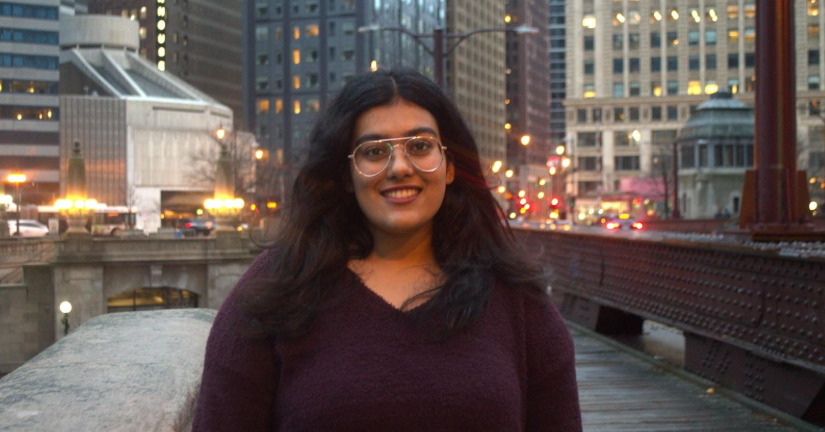
Code Social is a community of more than 10,000 aspiring and early-career computer developers who learn, build, and problem-solve together. Founded by Arushi Malhotra, what began as a small WhatsApp group has expanded across platforms like LinkedIn and Discord to offer peer support and a collaborative entry point into coding, particularly for women navigating the field.
The initial idea was simple: create a space where people could ask questions without fear of ridicule and share what they were learning in real time. Arushi, then a Computer Applications student in Punjab, India, first proposed a “100 Days of Code” challenge and shared it on her social media accounts. The “100 Days of Code” format – popularized in developer circles as a consistency challenge – encourages participants to code every day and publicly document their progress.
Arushi expected a small group to participate; what happened instead surprised her.
“I received so many DMs, hundreds… of people asking to join the group,” Arushi recalls.
The response revealed an unmet need: many aspiring developers were looking not just for tutorials, but also for support.
Arushi began sharing free learning resources she researched online, like documentation guides, beginner-friendly repositories, recorded lectures, and project ideas. She actively moderated discussions to keep the community active, setting a tone that encouraged peer learning.
In Code Social, newcomers are encouraged to ask basic questions and the emphasis is on personal growth. For Arushi, Code Social soon became about representation and collective growth, rather than just learning coding.
Arushi remembers two women on her team telling her: “We see you as our leader and we love that you lead us.”
In its early phase, Code Social hosted conventional online events: guest speakers, panel discussions, and Q&A sessions. While these formats are common in tech communities, Arushi began to question their impact. “Everyone’s doing that but it’s not really fruitful,” she says.
Passive attendance, she observed, does not always translate into skill development. She shifted the program to hands-on sessions where participants build in real time—coding alongside mentors, debugging together, and sharing finished projects. This model aligns with experiential learning research, which shows that applied practice improves retention and confidence more effectively than lecture-based formats alone.
Why Code Social?
Computer science is a field that is still marked by gender imbalance. Women remain underrepresented in STEM disciplines worldwide, and particularly in specialized fields like computer science. In many classrooms and online forums, the culture can be competitive rather than collaborative, especially for beginners.
As someone who did not grow up around programmers or in technical environments, Arushi found the learning curve steep. The technical jargon, fast-paced instruction, and assumption of prior knowledge created barriers beyond the code itself. When she turned to online communities for help, the response was often dismissive.
“People would judge you for asking the most basic questions… they would say: ‘how do you not know that already’!” Arushi recalls.
This reaction reflects a broader issue in tech culture: the normalization of gatekeeping. Beginners, particularly women and first-generation learners, often encounter subtle signals that make them feel exclude. Research on gender bias in tech workplaces has documented experiences where women report being pushed toward non-technical roles even when they are qualified for technical ones.
For Arushi, rejection did not push her out of the field, but instead redirected her focus. If existing spaces felt hostile, she would build one that was not. Code Social soon became an organized platform for entry into tech, replacing gatekeeping with guidance, and competition with collective progress.
Since moving to the United States in August 2024, Arushi has continued to expand both her academic and community work. She is currently pursuing a Master’s in Computer Science at DePaul University while developing new initiatives for Code Social and experimenting with AI agents as part of her learning.
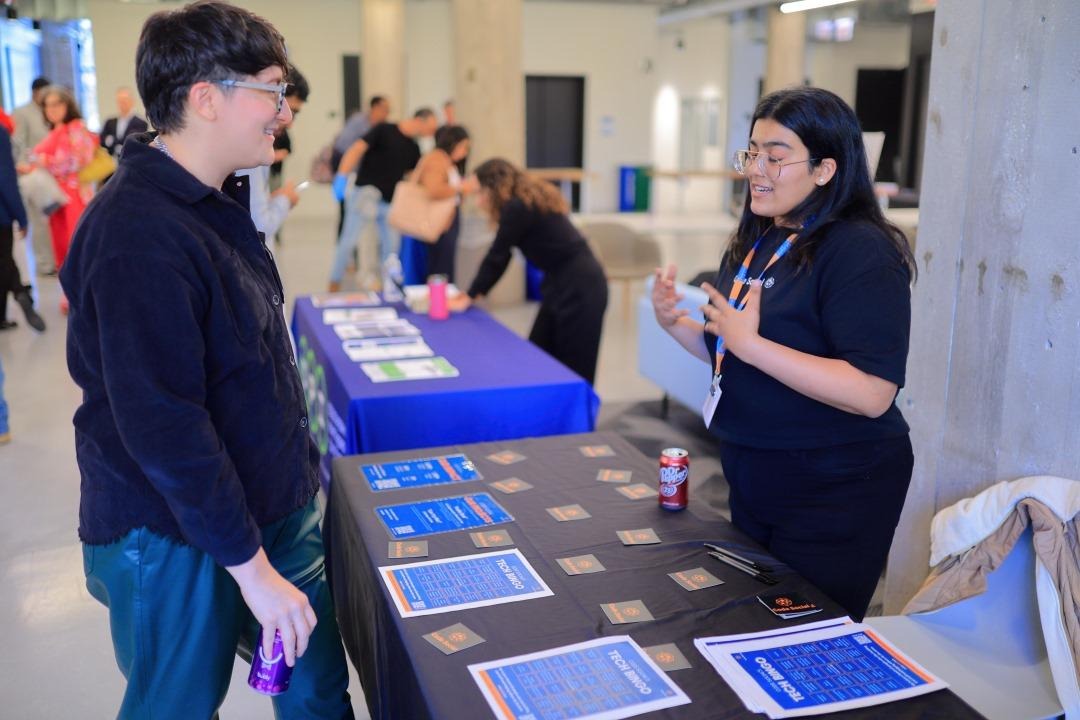
As artificial intelligence tools make building faster and more automated, Arushi sees even greater urgency for collaborative spaces where people deepen their technical foundations, teach one another, and design thoughtful solutions.
Looking ahead, she hopes to step into leadership roles that allow her to apply her expertise at scale and create pathways for others to enter and grow within the field.
She knows that whatever future we’re going to code, we’ll need to do it together.

Related Articles